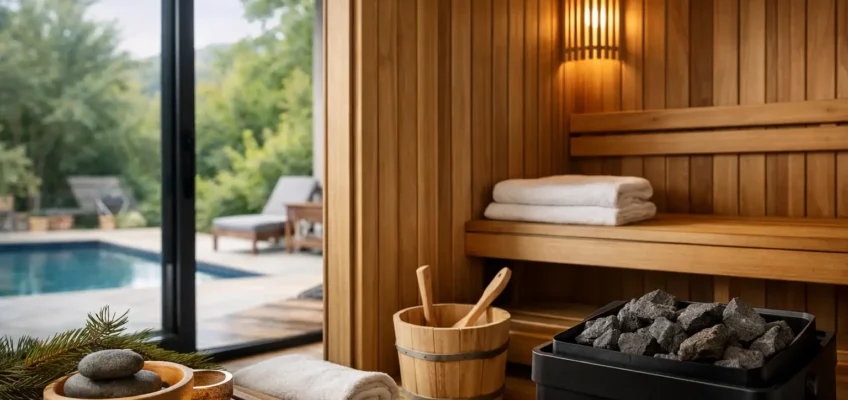
Home Sauna Buying Guide for Lasting Value
A home sauna can turn an unused corner of a basement, home gym, primary bathroom, or backyard into a private wellness retreat. But this is not a purchase to make based on attractive photos alone. The best choice depends on how you want to use it, who will use it, the space you can dedicate, and whether the construction and electrical requirements match the investment.
For many homeowners, the appeal is straightforward: reliable access to heat therapy without scheduling appointments, driving across town, or sharing a spa facility. The purchasing decision is less straightforward. Infrared and traditional steam-style saunas create very different experiences, while wood quality, heater performance, seating comfort, controls, and installation needs all affect long-term satisfaction.
Start With the Home Sauna Experience You Want
The first decision is not brand or finish. It is heat type. A sauna that suits a quiet solo recovery routine may be a poor fit for a family that wants a hotter, more social bathing experience.
Infrared saunas
Infrared models use radiant heaters to warm the body directly rather than heating the room air to the same high temperatures as a traditional sauna. They commonly operate at lower temperatures, often around 110 to 150 degrees Fahrenheit, and tend to warm up faster. That can make an infrared sauna especially practical for daily use, smaller indoor spaces, and homeowners who prefer a gentler heat experience.
Pay close attention to heater placement and coverage. A premium infrared unit should provide balanced warmth around the body rather than concentrating heat in one uncomfortable spot. Look beyond broad claims about the number of heaters. The more useful questions are where they are placed, how well the cabin retains heat, whether the controls are accurate, and whether the seating position allows room to relax.
Traditional saunas
Traditional electric or wood-fired saunas heat the air with a sauna stove and stones. Water can be poured over the stones to create steam, known as loyly, which adds humidity and produces the classic Finnish sauna feel. Temperatures are generally higher than infrared, commonly ranging from 150 to 195 degrees Fahrenheit depending on the setup and personal preference.
This style is often the stronger choice for buyers seeking the full ritual of a hot sauna session, including the changing character of dry heat and steam. It can also be better suited to multiple users because the heat fills the room. The trade-off is a longer warm-up period, more involved ventilation planning, and, in many cases, a dedicated 240-volt electrical circuit.
Neither option is automatically better. An infrared cabin may deliver the convenience that keeps you using it four times a week. A traditional sauna may offer the richer experience that makes the larger installation worthwhile. Shop with confidence by prioritizing the sauna you will genuinely use, not just the one with the longest feature list.
Match Size to Real Life, Not Just Floor Plans
A two-person sauna does not always mean two adults can sit comfortably for a 30-minute session. Interior dimensions, bench depth, backrest design, door swing, and ceiling height matter as much as the number printed in the product name.
For individual use, a compact one-person cabin can be an outstanding value when space is limited. It is generally easier to place, heats efficiently, and may fit in a finished basement or home gym without reshaping the room. If you expect to stretch out, share sessions with a partner, or use the sauna as part of family downtime, move up in size before ordering.
Measure the installation area carefully, including clearance around the unit, ceiling height, and the path from delivery point to final location. A sauna may fit on paper but still be difficult to maneuver through narrow halls, stairways, or basement doors. For outdoor installations, account for a stable, level base, weather exposure, drainage, and convenient access during every season.
Indoor versus outdoor placement
Indoor saunas offer convenience and weather protection. They work well near a shower, workout area, or bathroom, where cooling down and cleaning up are simple. They also tend to have fewer exterior maintenance concerns.
Outdoor saunas create a more distinct retreat and can preserve valuable interior square footage. They are particularly appealing near a pool, patio, or quiet backyard view. However, outdoor use asks more of the enclosure. Durable exterior cladding, insulation, roof construction, and weather-resistant electrical work become essential rather than optional upgrades.
Materials and Construction Define Long-Term Comfort
Wood is more than a visual choice. It affects durability, comfort, aroma, insulation, and how the cabin holds up under repeated heat and moisture. Cedar remains popular because it resists moisture and insects, stays relatively comfortable to touch, and has a recognizable natural scent. Hemlock is often a more budget-conscious option with a clean, light appearance and low odor. Aspen is valued for its smooth feel and lack of resin, making it a thoughtful choice for people sensitive to strong wood aromas.
For a higher-end purchase, inspect the details that are easy to overlook in a showroom image. Well-fitted panels reduce heat loss. Solid benches feel more secure and resist sagging. Tempered glass doors improve safety and durability. Quality hardware, interior lighting, and clean control placement make regular use more enjoyable.
Avoid treating material labels as a complete quality rating. A cedar sauna with thin panels, weak insulation, or limited warranty support may not represent better value than a well-built hemlock model. Construction quality and manufacturer support should carry as much weight as the species of wood.
Plan for Power, Ventilation, and Installation
Electrical requirements can change the total cost of a home sauna substantially. Many compact infrared units plug into a standard 120-volt outlet, although the outlet should be dedicated and properly rated for the sauna’s draw. Larger infrared cabins and most traditional electric saunas often require 240-volt service and professional installation by a licensed electrician.
Before choosing a model, verify its voltage, amperage, circuit requirements, heater output, and whether local code requires permits or specific safety equipment. This is especially important in bathrooms, garages, and outdoor locations, where moisture and environmental exposure require careful planning.
Ventilation is another detail worth getting right. Traditional saunas need purposeful airflow to keep the room comfortable, protect materials, and support proper heater operation. A well-designed sauna should not feel stale or excessively damp after use. Follow the manufacturer’s ventilation guidance instead of assuming that a nearby window or general room ventilation is enough.
If the sauna arrives as a modular kit, ask whether assembly is realistic for your space and skill level. Many cabins are designed for straightforward panel assembly, but larger units, custom installations, and outdoor builds may justify professional help. Delivery, electrical work, foundation preparation, and assembly can add meaningful cost beyond the listed product price.
Compare Value Beyond the Upfront Price
A lower-priced sauna can be a smart purchase when it fits your space, use habits, and performance expectations. It becomes less of a value if undersized seating, poor heat distribution, difficult controls, or premature material wear make it a rarely used fixture.
When comparing models, focus on four practical areas:
- Heating performance: Consider warm-up time, temperature range, heater quality, and heat consistency where you sit.
- Usable comfort: Check interior dimensions, bench layout, headroom, backrests, lighting, and accessibility.
- Durability: Review wood construction, glass quality, exterior protection, warranty terms, and replacement-part availability.
- Ownership costs: Include electrical upgrades, installation, maintenance, accessories, and likely energy use in your budget.
Community reviews can be particularly helpful for identifying whether a sauna is comfortable after extended use and whether installation matches the manufacturer’s claims. Look for detailed feedback from owners with similar spaces and household needs. A review that explains room size, electrical setup, climate, and frequency of use is more useful than a simple star rating.
Use Your Sauna Safely and Consistently
A sauna should support your routine, not become a source of strain. Start with shorter sessions and moderate temperatures while learning how your body responds. Hydrate before and after use, avoid alcohol, and leave the sauna immediately if you feel dizzy, nauseated, weak, or unwell.
People who are pregnant, have cardiovascular conditions, take medications that affect blood pressure or sweating, or have other health concerns should speak with a qualified healthcare professional before using a sauna. This is a sensible precaution, particularly with higher-temperature traditional models.
Regular maintenance protects both the experience and the investment. Wipe down benches after use, keep the floor clean, allow the room to dry, and follow the manufacturer’s instructions for wood care and heater maintenance. Outdoor models deserve periodic inspection for moisture intrusion, roof wear, and seasonal changes around the base.
The right home sauna is the one that fits your home as naturally as it fits your routine. Choose for comfort, construction, and everyday usability, and it can become one of the most rewarding spaces in the house.
